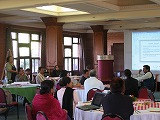
Activity Report: Themes & Issues >> Participation in Conference
21-22 March, 2012 (Bangkok Thailand)
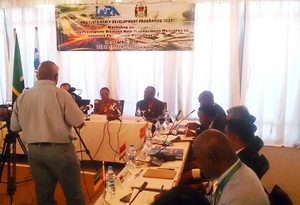
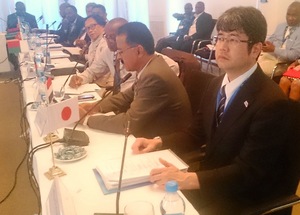
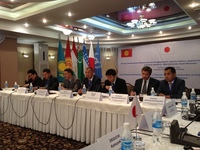
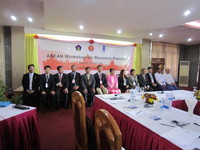
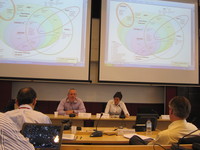
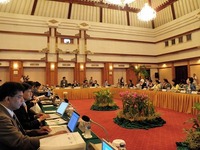
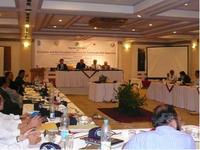
The Workshop on Use of Multi-Global Navigation Satellite Systems for Sustainable Development organized by UNESCAP and supported by JAXA, was held in Bangkok, Thailand from 21 to 22 March 2012.
Government officials and experts from 13
countries and intergovernmental organizations participated in the workshop and
discussed potential utilization of Multi-Global Navigation Satellite Systems
(Multi-GNSS) in the fields of transportation, disaster risk reduction and
agriculture.
http://www.unescap.org/idd/events/2012-Workshop-Multi-GNSS-21-22-Mar-2012/index.asp
(2012/3/23
11:30)
19th and 20th March, 2012 (India, Vanarasi)
International Seminar on "Disaster and
Environmental Management" was held by Institute of
Management Studies, Mahatoma Gandhi Kashi Vidyapith University from 19-20 March
2012 in Vanarasi, India.
The ADRC made a presentation about the
current situation of recovery and reconstruction on Great East Japan Earthquake
and Tsunami in the Technical Session "Institutional and policy Framework for
Disaster Management."
About 100 researchers, experts and students
participated in the seminar and actively exchanged views and opinions on the
issue of disaster and environmental mangement.
(2012/3/21
11:30)
12 March 2012 (Seoul, Korea)
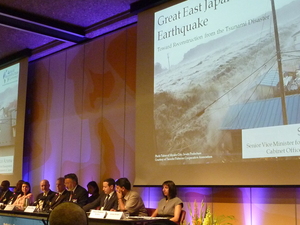
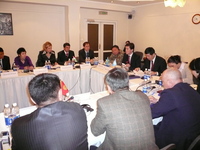
The ADRC participated in the International Conference on "Lessons from Japan: Is Japan Korea's Future?" held on 12 March 2012 jointly organized by Asian Development Bank Institute and North East Asian Research(NEAR) Foundation of Korea Rep.
ADRC made presentation regarding the
current situation of recovery, reconstruction and lessons on the Great East
Japan Earthquake and Tsunami disaster.
Around 100 participants attended the
conference including experts and officials from nuclear, disaster management,
economics and security fields and actively exchanged views and opinions on the
broad issues such as aging society, social welfare, disaster risk management,
nuclear power plant and security.
http://www.adbi.org/event/5010.adbi.near.conference.japan.korea.future/
(2012/3/13 11:30)
8-9 March 2012 (Tokyo, Japan)
Seminar on Disaster Risk Management in Asia: Lessons and Challenges was held by Asian Developing Bank Institute from 8 to 9 March 2012 in Tokyo, Japan. The ADRC explained the importance of business continuity plan (BCP) in the private sector for the regional resilience and the current situation of the private sector in the APEC region based on the research made by ADRC.
About 100 officials, experts from public and private organizations participated in the seminar and actively exchanged views and opinions among them, demonstrating their strong interests in disaster risk management measures both structural and non-structural.
http://www.adbi.org/event/5012.disaster.risk.management.asia/
http://www.adbi.org/event/5013.disaster.risk.management.brainstorming.meeting/
(2012/3/9 11:30)
13-17 February 2012 (Vienna, Austria)
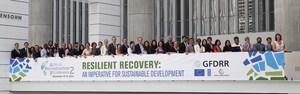
Staff of IRP/ADRC had participated in a five-day Training of Trainers (TOT) on Post Disaster Needs Assessment (PDNA) which was jointly organized by the Global Facility for Disaster Reduction and Recovery (GFDRR), the United Nations Development Group (UNDG), and the Joint Vienna Institute (JVI). During the training, participants were acquainted with the methodology for (i) assessing damages and losses, (ii) determining the needs for recovery and reconstruction, and (iii) ensuring improved resilience of communities and countries following recovery.
The training offered an opportunity to strengthen synergy among IRP/ADRC partners in promoting capacity building programs on post disaster recovery planning by linking with UN, EU, WB, and donor agencies in supporting disaster prone countries to reduce risk of future disasters. In addition, the training has enhanced the capacity of IRP/ADRC staff in conducting PDNA and providing related training for requesting countries or organizations.
The lectures, group exercises, and discussions at the training had specifically contributed in developing the capacities for improved recovery planning using information from PDNA. It particularly enhanced participants' competence in organizing PDNA, developing recovery framework, and following up post-PDNA measures.
(2012/02/29 14:20)
15 November 2011 (Doha, Qatar)
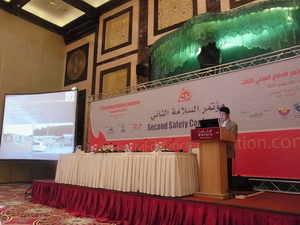
The 3rd Civil Defence Exhibition and Conference was organized by the Government of Qatar from 14 to 16 November 2011 in Doha Qatar. As a side event, the 2nd Security Conference (forum) was held. Seven officials and specialists on Disaster Risk Management, including a ADRC's researcher, were invited to the forum to deliver presentations/speeches.
The ADRC explained the damages of and lessons learned from the Great East Japan Earthquake and Tsunami in March this year while other speakers presented a broad range of issues, both man-made and natural disasters, such as climate change, challenges concerning high-rise building disaster and information dissemination. More than 200 officials, experts and the media people from Qatar participated in he forum and actively exchanged views and opinions among them, demonstrating their strong interests in disaster risk management.
(2011/11/17 19:50)
10 November 2011 (Incheon, Korea)
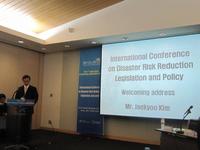
The ADRC was invited to the International Conference on Disaster Risk Reduction Legislation and Policy as part of the Asian Forum of Legislative Information Affairs (AFOLIA). The Conference was organized by the Ministry of Government Legislation in cooperation with the National emergency Management Agency.
Specifically, the ADRC made a presentation on "Disaster risk reduction legislation and policy in Japan" at Part I "Disaster risk reduction legislation and policy in Korea, China and Japan and cooperative measures" of the Conference. Other participants include representatives from Chinese government, UN and various organizations and universities The Forum was the first of its kind organized by the Ministry of Government Legislation and encompassed many areas, not only disaster risk reduction but many other fields as well. It manifested a strong initiative being taken by Korean Government within Asia.
While an interest in a post HFA (Hyogo Framework for Action) 2005-2015 and a need to establish international disaster response laws (IDRL) were growing, discussion on disaster legislations at the Conference was indeed significant and meaning attempt.
(2011/11/12 13:10)
7-8 November 2011 (Taipei, Taiwan)
The 2011 International Workshop on Emergency Management was organized by the Ministry of Interior, Government of Taiwan from 7 to 8 November 2011 in Taipei city.
Ten government officials and specialists on Disaster Emergency Management, including a ADRC's researcher, were invited to the workshop to make presentations and speeches. The ADRC explained the importance of business continuity plan (BCP) in the private sector for the regional resilience while other speakers presented case study on the response and recovery phase of large scale disasters both man-made and natural.
About 200 officials, experts participated in the workshop and actively exchanged views and opinions among them, demonstrating their strong interests in disaster risk management.
(2011/11/09 11:30)
31 October -1 November (Jakarta, Indonesia)
This two-day symposium was organized jointly by Government of Indonesia, the Economic Research Institute for ASEAN and East Asia (ERIA) and Harvard University. Under the main theme of "Moving ASEAN Community Forward into 2015 and Beyond", the symposium discussed various issues on the fulfillment of the ASEAN Economic Community that is due on 2015 and the future challenges beyond the date.
Among three substantive sessions organized, the ADRC participated in
the Session 2: Moving the ASEAN Community Forward through Strengthening of Regional Corporation: Engendering a Resilient and Harmonious ASEAN whereby making a presentation "Strengthening regional cooperation in times of disaster".
In the outcome document titled"Jakarta Framework on Moving ASEAN Community Forward into 2015 and Beyond", it is mentioned that "the issues of resiliency, especially food security and energy security, as well as disaster management, have been identified as important challenges to be tackled" and "ASEAN's increasing demand for food and energy is even more challenging given the risks of natural disasters, for the fact that Asia is the most disaster prone region in the world."
(2011/11/02 13:10)
27-28 October 2011 (Shanghai, China)
The Shanghai Forum on Disaster Prevention, Post-Disaster Reconstruction and International Cooperation: Learning from both Japanese and Chinese Experiences was organized by Osaka University from 27 to 28 October 2011 at Hotel Nikko in Shanghai, China.
The forum was attended by researchers from Japanese and Chinese universities as well as experts from international organizations. Invited by Osaka University, IRP/ADRC also participated in the Forum.
The Forum addressed: a) The role of civil society and social capital on post-disaster reconstruction and disaster prevention; b) Advanced technologies to reduce earthquake damage of structures; c) Earthquake damage and countermeasures of civil engineering structures; d) Disaster assistance network across the border; e) Nuclear energy: Safety, risk and human resources education, including a panel discussion on disaster prevention, post-disaster reconstruction and international cooperation.
IRP/ADRC presented the significance of social capital in disaster reduction and recovery based on the analysis of community-level recovery cases throughout the world. The presentation drew a lot of attention from both Japanese and Chinese researchers.
(2011/11/15 14:00)
27 October 2011 (Jakarta, Indonesia)![]()
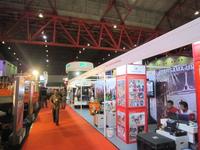
The Conference "Disaster Management and the Impact of Climate Change" was organized by the Coordinating Ministry for People's Welfare, Republic of Indonesia as part of "The Indonesian Disaster Preparedness, Response and Recovery, EXPO and Conference (IDEC)2011.
It was jointly organized by the JST-JICA Project "Multi-disciplinary Hazard Reduction from Earthquakes and Volcanoes in Indonesia.
Hence, members of the JST-JICA Project participated in the Conference, Specifically, three members made presentations, focusing on recent disasters in Indonesia and in Japan, which included the presentation "Policy Response to 3.11 Earthquake and Tsunami Disaster" done by Mr. Atsushi Koresawa of the Center.
The joint coordination of the Conference demonstrated the importance and relevance of the activities that the JST-JICA Project were engaged in.
(2011/10/28 13:10)
18 October -21 October 2011 (Beijing, China)
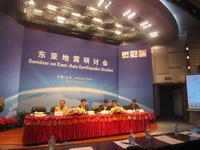
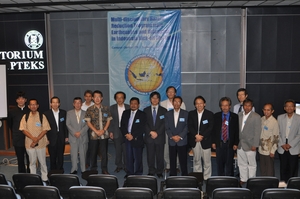
ADRC participated in the Seminar on East-Asia Earthquakes Studies - Earthquakes, Tsunamis and Volcanoes in Northeast Asia: International Collaboration and Regional Capacity Building for the Forecast, Preparedness and Early Warning.
The Seminar was organized jointly by the China Earthquake Administration (CEA), the Japan Meteorological Agency (JMA), and the Korea Meteorological Administration (KMA). It was a first attempt of this kind.
The Seminar addressed key scientific and technological issues in need of special consideration for forecast, preparedness and early-warning of earthquakes, volcanoes and tsunamis, especially for Northeast Asia. Experts from not only China, Korea and Japan but also from other countries in Asia and other regions participated and examined relevant issues based on their experiences, most notably the 2008 Wenchuan Earthquake in China and the 2011 Great East Japan Earthquake and Tsunami.. Mr. Atsushi Koresawa of the ADRC presented "Policy Response to Great East Japan Earthquake" in the "Communicating with the Public" session.
The Seminar was successfully closed by reaching a consensus that collaborate need to be continued and strengthened among China, Korea and Japan and with other countries in Asia to further enhance scientific knowledge and relevant technologies against seismic hazards.
(2011/10/22 13:10)
28-29 July 2011 (Da Nang, Vietnam)
The APEC Workshop on Facing Abnormal Flood Disaster: New Vision for APEC Member Economies was organized by Vietnamese Government from 28 to 29 July 2011 at Life Style Resort Hotel in Da Nang, Vietnam.
The workshop was attended by experts from APEC member economies as well as experts from international organizations. Invited by the Vietnamese Government, IRP/ADRC also participated in the Workshop.
The Workshop addressed: a) Abnormal flood disasters in Asia-Pacific region and the experience of APEC economies in responding to such challenges; b) Best practices on emergency preparedness and response to abnormal flood disasters; c) New vision for APEC members in abnormal flood management. IRP/ADRC presented the experience and lessons learned from the Great East Japan Earthquake and Tsunami disaster. The presentation drew a lot of attention, specifically on how Japan - a developed country - organizes recovery activities.(2011/7/30 14:00)
27-29 June 2011 (Bangkok, Thailand)
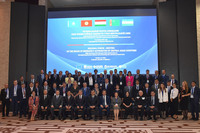
The Expert Group Meeting on Regional Knowledge and Cooperation for Comprehensive Multi-Hazard risk Management in Asia and the Pacific was organized by the United National Economic and Social Commission for Asia and the Pacific (ESCAP) from 27 to 29 June 2011 at the United national Conference Centre in Bangkok, Thailand. The Meeting was attended by experts from many countries as well as experts from intergovernmental and international organizations. Invited by the ESCAP, ADRC also participated in the Meeting.
The Meeting addressed: a) Asia Pacific Gateway on Disaster Risk Reduction and Development; b) Data for Disaster Risk Reduction and Assessment; c) Regional Cooperative Mechanism on Disaster Monitoring and Early Warning, Particularly Drought, and; d) Asia Pacific Disaster Report. Experts discussed in details relevant issues and needs and necessary actions. ADRC stressed the importance of compilation of disaster data, the used of GLIDE (Global Unique Disaster Identifier), sharing of experiences and lessons regarding to specific disasters such as the March 11 Great East Japan Earthquake and tsunami.
Following the above Expert Group Meeting, the UNESCAP Committee was convened from 29 June to 1 July and ADRC also participated in the Committee meeting as an observer. During discussion, a number of countries made mention about ADRC as being relevant to regional cooperation for disaster risk reduction. By showing gratitude to continued cooperation with those countries, ADRC expressed wish to continue to cooperate with them through its activities.
(2011/07/04 13:10)
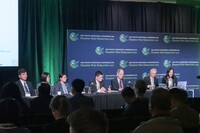
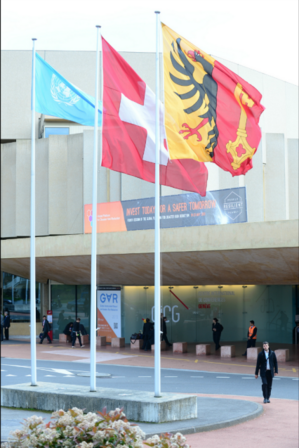
The Third Session of the Global Platform for Disaster Risk Reduction (DRR) organized by UNISDR was held from 8 to 13 May 2011 in Geneva, Switzerland to discuss topics around the theme "Invest Today for a Safer Tomorrow: Increased Investment in Local Action." The Global Platform also included the first World Reconstruction Conference (WRC), hosted by the World Bank.
ADRC participated in several side events, including "Saving Lives and Improved Coastal Risk Management through Regional Cooperation in Ocean and Marine-Related Early Warning Systems in Asia" and "Integrated Use of Space Technologies for Disaster Risk Reduction". In the latter, ADRC presented the use of
emergency satellite observations through the Sentinel Asia Initiative and explained how space-based applications were effectively used during the Great
Eastern Japan Earthquake.
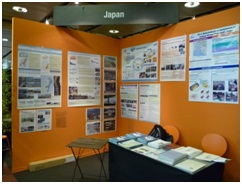
Together with the Japanese government, ADRC also took advantage of the DRR Market Place area to highlight several recent projects on disaster preparedness,
response, and recovery by displaying relevant posters. One of the posters showed the impacts of the Great Eastern Japan Earthquake vis-à-vis preparedness
and response measures.
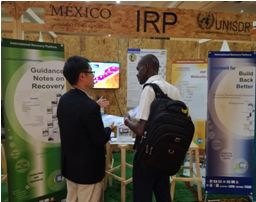
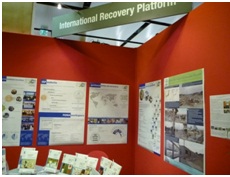
On the other hand, IRP set up its own booth at the DRR Market Place to showcase knowledge products and services for resilient recovery. Several posters
were displayed to communicate key messages for "Build Back Better". The Guidance Notes on Recovery and the Capacity Building Module on Resilient Recovery
drew a lot of attention from participants. Moreover, IRP in cooperation with ADRC, made a presentation entitled "The Great East Japan Earthquake:
Rethinking the Investment for Safer Tomorrow" at the Ignite Stage.
(2011/5/16 11:30)
The ADRC attended the 22st meeting of sub-committee on space technology and applications (SCOSA) held from 9th to 10th May 2011 in Siem Reap, Cambodia.
Various organizations in ASEAN countries which are related to the space technology attended this meeting in order to discuss on-going and future projects by SCOSA and other relevant. .
For the last two year the ADRC has been implementing "Satellite Data Utilization for Disaster Risk Reduction and Response" funded by Japan-ASEAN Integration Fund (JAIF). Eight ASEAN countries, namely, Indonesia, Philippines, Lao PDR, Myanmar, Thailand, Vietnam, Cambodia and Brunei Darussalam are the target countries of the project.
In this meeting, ADRC made a progress report on the project.
ADRC is currency producing materials to be used at planned seminars and trainings in each ASEAN country.
For more details of this project, please look at the following site; http://www.geoinfo.ait.ac.th/adrc/index.htm
2011/6/2 13;20
23-25 March 2011 (Jakarta, Indonesia)
The Jakarta International Defense Dialogue (JIDD), hosted by the Indonesian Ministry of Defense and organized by the Indonesian Defense University, was held at Jakarta Convention Center in Jakarta, Indonesia. The core objective of the Dialogue was the promotion of intergovernmental cooperation to meet common threats such as disaster and terrorism, and explore disaster management and counterterrorism measures.
About one thousand participants from different countries and agencies gathered for this event. Among the countries represented were Bangladesh, Brunei Darussalam, Cambodia, India, Indonesia, Korea, Laos, Malaysia, Myanmar, Pakistan, Singapore, Australia, United States. Some European countries and agencies of United Nations were also represented. ADRC, represented by Senior Administrative Manager Mr. Masataka Onishi, presented the Emergency Response System in Japan. Mr.Onishi highlighted the disaster management system as well as outlined the impact of the tsunami that flattened many towns and communities situated at the Pacific coast of Tohoku region caused by "Great Eastern Japan Earthquake" of March 11, 2011. How the Japanese central and local governments have been responding to the disaster was emphasized in the presentation. Many of the participants showed deep condolence for the victims of the disaster and some briskly asked questions about sharing of responsibilities among central and local governments in disaster response.
7th March 2011 (Washington DC, USA)
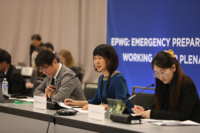
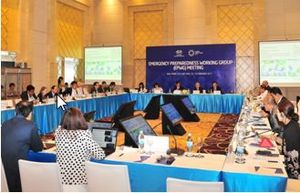
The ADRC participated in the Emergency Preparedness Working Group organized by Asia Pacific Economic Cooperation in Washington DC.
The Working Group is co-chaired by Australia and Indonesia and around 40 participants attended the meeting included representatives from 16 member economies namely Australia, Brunei, Canada, Chili, Indonesia, Japan, South Korea, Malaysia, Papua New Guinea , Peru, Philippines, Singapore, Russia, Taiwan, USA and Vietnam.
The WG addressed issues related to minimize the economical impact of disruption caused by natural disasters. The ADRC introduced the emergency satellite observation framework of Sentinel Asia and Business Continuity Management methodology to minimize the economical impact for effective disaster response. (2011/03/08 11:30)
1-4 March 2011 (Islamabad, Pakistan)
The objective of this Workshop, which is organized jointly by UNESCAP, Pakistan Meteorological Department (PMD), Pakistan Space & Upper Atmosphere Research Commission (SUPARCO) at SUPARCO, Islamabad, Pakistan, is to develop the capacity to build better resilience to water related disasters as well as for more effective adaptation to climate change through the applications of space technology and flood risk management in Pakistan.
Space-based technologies increasingly play an important role in disaster risk management as demonstrated by floods in Pakistan and in Thailand. ADRC was invited as an expert by the organizers and made two presentations on "Enhancing the use of space-based technologies for disaster risk management" focusing on Sentinel Asia and "Community-based disaster risk management" respectively. Participants especially from Pakistan showed great interest in Sentinel Asia and other space-technology related programmes. Also, some participants underscored the importance of community-based disaster risk reduction activities in Pakistan. Space-technologies have been becoming more relevant to and useful for disaster risk management.
ADRC as a focal point for emergency observations of Sentinel Asia and a regional support office of UNSPIDER will continue to contribute to this objective.
(2011/03/04 13:10)
1-2 February 2011 (Bangkok, Thailand)
The Asian Disaster Reduction Center (ADRC) held the first regional workshop of the Japan-ASEAN Integration Fund Project on "Capacity Building in the Utilization of Satellite Images for Disaster Management" from 1 to 2 February 2011.
This workshop was organized in cooperation with the Asian Institute of Technology (AIT) and was held at the AIT Conference Center in Bangkok, Thailand.
This is one of the four capacity development programs in ASEAN countries that ADRC has been implementing since 2008, with other three including disaster education promotion, development of Web-based GLIDE-associated disaster database and capacity building of local government officials.
The purpose of the workshop was to allow relevant personnel to share information from the Report from the Seminar and Training for the Utilization of Satellite Images for Disaster Management, as well as other information regarding the use of satellite image for disaster management. The 27 participants, who represented the ASEAN countries, the ASEAN secretariat, the Japanese Embassy in Thailand, and UN agency, discussed efforts to promote the use of satellite images for disaster management activities.
The key points discussed were as follows:
1) Close ties between space organizations and disaster management organizations
2) Effective use of satellite information and the development of expertise and technologies
3) Use of ICTs other than satellite technologies to strengthen disaster management capacity
4) Mutual learning among countries though regional mechanisms
ADRC will continue to cooperate with relevant agencies to further promote the utilization of satellite data in the field of disaster management in ASEAN region.
For more details of this project and the result of this workshop, please visit ADRC web site (http://www.adrc.asia/top_j.php).
2011/02/21 13:20
18-19 February 2011 (Malacca, Malaysia)
The National Disaster Awareness Day 2011 was held in Malacca, Malaysia on 18 and 19 February 2011. The event was organized by the National Security Council (NSC) of Malaysia. The Asian Disaster Reduction Center (ADRC) was invited to participate.
More than a thousand representatives from international organizations, the ASEAN countries, national and local governments attended the event. On Day One, ADRC, at the request by the organizer, gave a presentation on "Total Disaster Risk Management" in the plenary session. Under the theme "Mainstreaming Disaster Risk Reduction into Development Policy, Planning and Implementation", the seminar was organized into four sessions: Session 2A "Role of Local Authorities in DRR", Session 2B "ASEAN Knowledge Sharing Workshop on Mainstreaming DRR in Education", Session 2C "Hospital Safe from Disasters" and Session 2D "National Disaster Management Mechanism."
On Day Two, in conjunction with this event, the ceremony on National Launching of UNISDR World Disaster Reduction Campaign was held with Y.A.B. Tan Sri Muhyiddin bin Mohd Yassin, Deputy Prime Minister of Malaysia, in attendance.
(2011/02/19 17:30)
7-10 February 2011 (Vienna, Austria)
The Forty-Eighth Session of the Scientific and Technical Subcommittee of the Committee on the Peaceful Uses of Outer Space (UN-COPUOS)was held at the United Nations Office in Vienna, Austria. At this session, the second United Nations Platform for Space-based Information for Disaster Management and Emergency Response (UN-SPIDER) Regional Support Offices (RSO) Meeting was also organized.
ADRC took part in this event. At the technical subcommittee of COPUOS, the activities of ADRC as focal point for Sentinel Asia's emergency observations in the event of disasters was introduced its accomplishments. At the UN-SPIDER RSO Meeting, ADRC presented its activities and accomplishments as RSO as well as its future plans. The RSO meeting provided an opportunity to exchange opinions, and explore measures of enhancing future activities of UN-SPIDER RSO.
(2010/02/14 19:20)
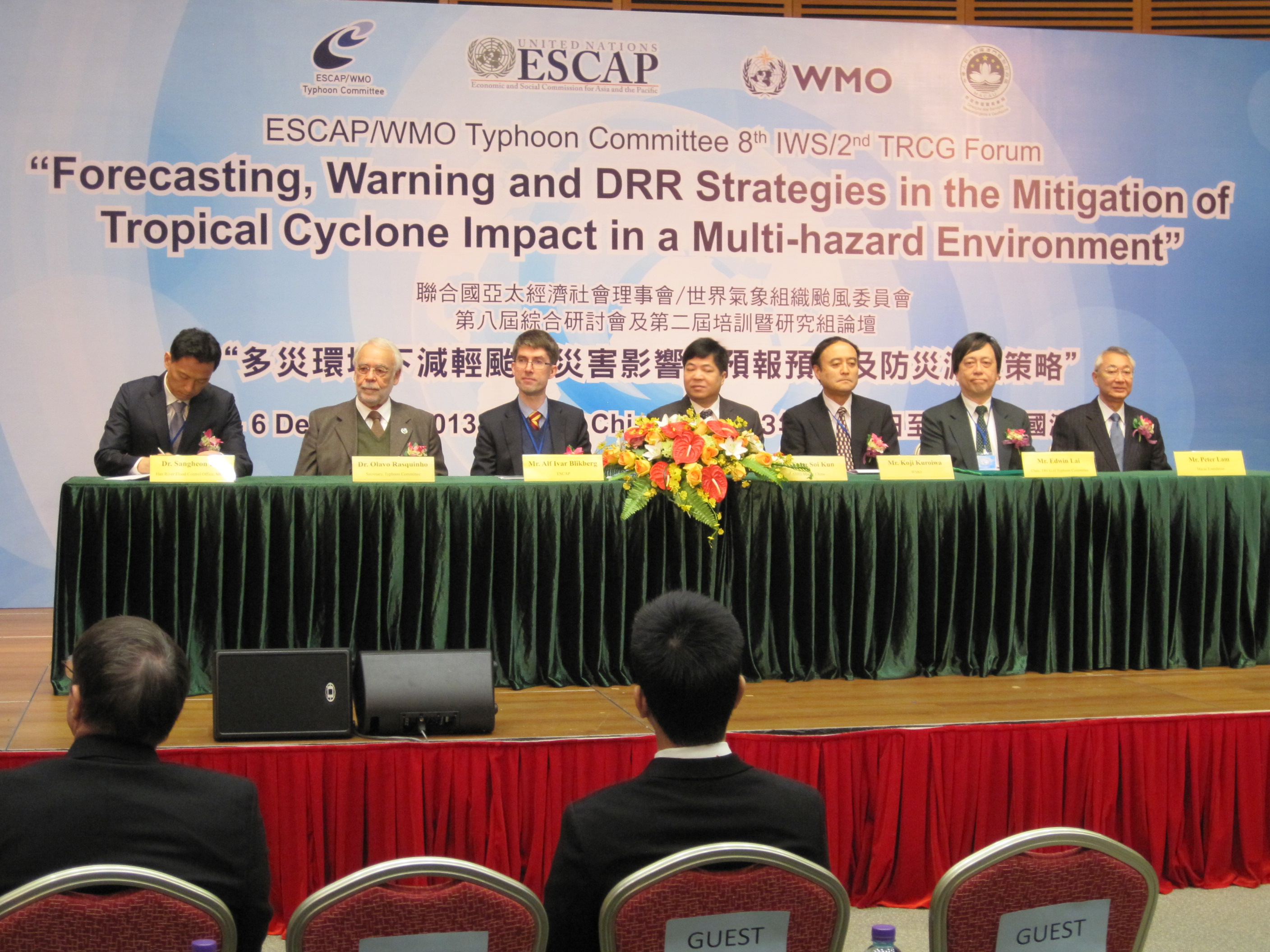
17-22 January 2011 (Jeju, Republic of Korea)
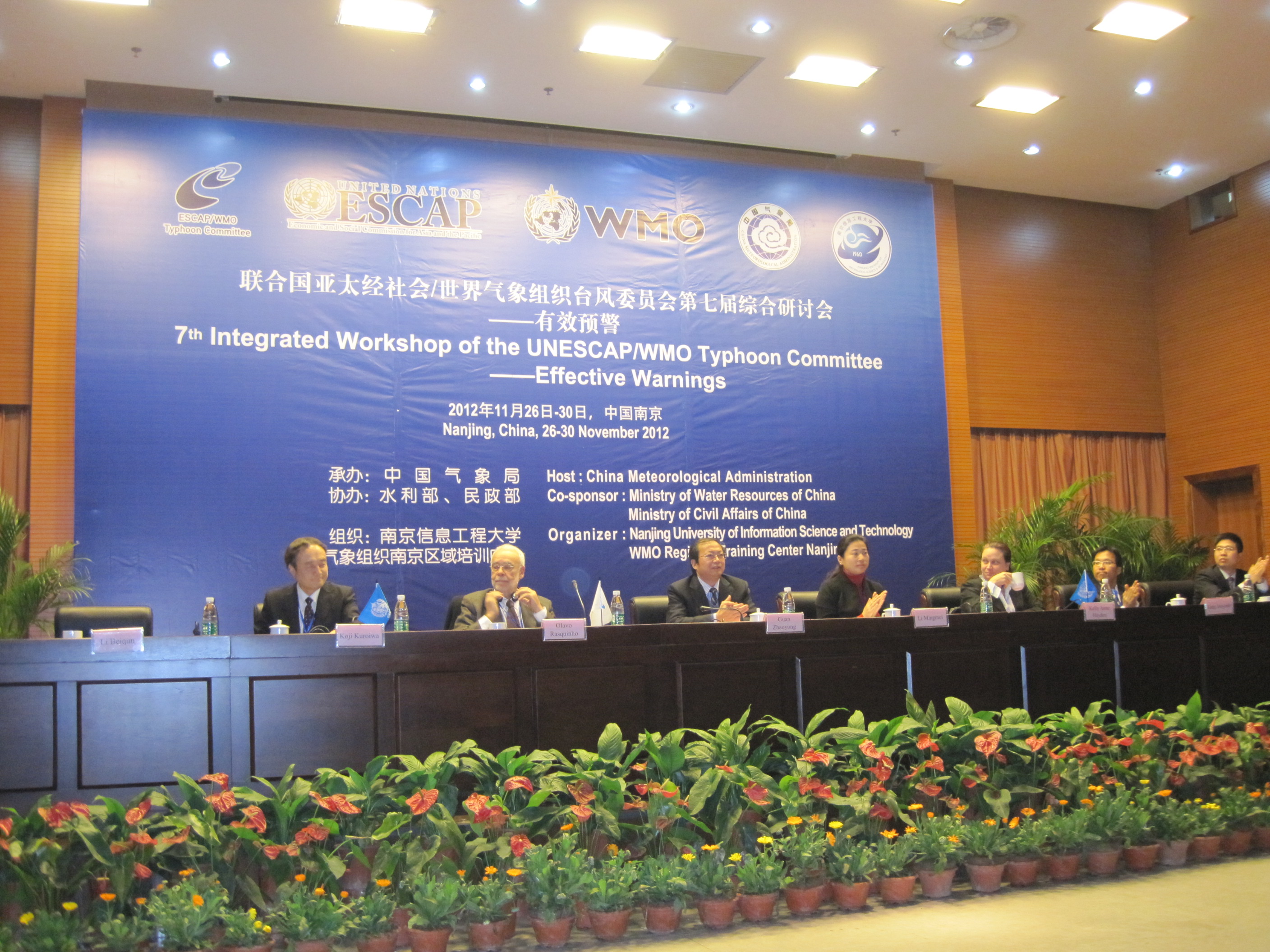
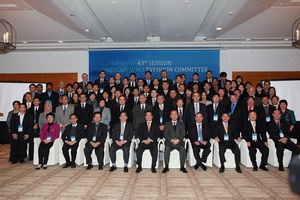
The ADRC participated in the 43rd Session of Typhoon Committee organizend by United Nations Economic and Social Commission for Asia and the Pacific(UNESCAP), the World Meteorological Organization(WMO) Typhoon Committee in Jeju
on 17-22 January 2011.
The 43rd Session was hosted by Republic of Korea and around 100 participants attended the meeting included representatives from China, Japan, Malaysia, Philippines, Republic of Indonesia, Republic of Korea, Singapore, Thailand, USA, Viet Nam, Hong Kong and Macao Special Administrative Regions, as well as representatives from the organizing institutions.
The Committee consists of three working groups, namely, WG on Meteorology(WGM), WG on Hydrology(WGH), and WG on Disaster Risk Reduction(WGDRR), among which ADRC has joined WGDRR.
The Committee as well as its WGs addressed issues related to the impact of climate change on tropical cyclone frequency and intensity, growing risks of urban flooding, among others. The ADRC gave a presentation on the recent activities introducing the framework of Sentinel Asia using GLIDE numbers for effective disaster response.
For more details, please refer to: http://typhooncommittee.org/session.htm
(2011/1/28 11:30)
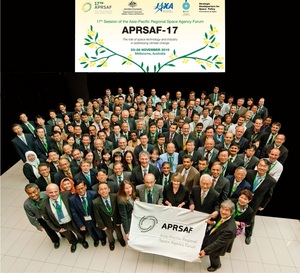
ADRC participated in the 17th Session of the Asia-Pacific Regional Space Agency Forum (APRSAF) that was held from 23 to 26 November in Melbourne, Australia. The theme of the Forum was "The role of space technology and industry in addressing climate change." The APRSAF was established in 1993 to enhance space activities in the Asia-Pacific region. Attended by space agencies, governments, and international organizations such as the United Nations as well as companies, universities and research institutes, this Forum is the largest space-related conference in the Asia-Pacific region.
The participants of APRSAF share information about their activities and the future plans for their countries and regions. APRSAF also supports international projects designed to find solutions to common issues such as disaster management and environmental protection. The Sentinel Asia initiative is one such activity, and involves the use of space-based information in the form of satellite images for disaster management in the Asia-Pacific region. ADRC has been tasked with the responsibility of receiving emergency observation requests from ADRC member countries and Joint Project Team (JPT) members and, if appropriate, forwarding them on to four regional space agencies, namely, ISRO, GISTDA, KARI and JAXA.
ADRC gave a presentation on this year's requests for the use of space technologies in disaster management through Sentinel Asia. ADRC also emphasized the importance of human resource development to promote the more effective utilization of space technologies in disaster management, giving examples of successful as well as unsuccessful uses of the images provided. ADRC representatives also presented information about a human resource development program for promoting the use of satellite images in disaster management, which is currently being implemented using the Japan-ASEAN Integration Fund.
(2010/11/26 19:20)
25-28 October 2010, Incheon, Republic of Korea
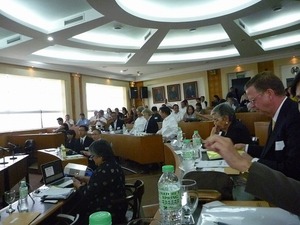
ADRC participated in the 4AMCDRR held in Incheon, Republic of Korea from 25 - 28 October 2010. More than 900 participants comprising ministers of disaster management from 53 Asia-Pacific and European nations, representatives from UN agencies, international organizations, and NGOs attended the conference. The Prime Ministers of Republic of Korea and Kingdom of Bhutan were among the high level participants.
Under the theme "Disaster Risk Reduction through Climate Change Adaptation" (DRR through CCA), the conference was organized into three sessions: Session 1 "Raising awareness and building capacity for DRR & CCA", Session 2 "Developing and sharing information, technology, sound practices, and lessons learned in climate & disaster risk management", and Session 3 "Promoting integration of DRR & CCA into development for green growth". ADRC chaired Technical Session 1 and co-chaired the High Level Round Table of Session 1 (HLRT1) with the Maldives and Bhutan.
The outcomes of the technical session emphasized two key concerns. One is the need for training for both government officials and civil society organizations. The other is the need to learn from local and indigenous peoples on how they manage risk and the need to support their efforts in raising awareness. In this regard, it was suggested that DRR and CCA should be framed within local and national development planning. At the HLRT1, the ministers expressed problems of their countries, including issues on raising awareness and building capacity. HLRT1 recognized that problems vary from country to country, and that solutions need to be localized. HLRT1 had drawn commitments from delegates to work together and share technical knowledge. Recommendations from Technical Session and HLRT1 were reflected into the conference outcome documents: Incheon Declaration, Incheon Regional Roadmap or REMAP, and Incheon Action Plan aimed at establishing climate resilient disaster risk management systems by 2015 that will contribute to sustainable development at the regional, national and community levels.
ADRC also co-organized various side events at 4AMCDRR including "Incorporating space-based information and technologies into DRR and CCA" with UNOOSA, "Asian Film Festival on Disaster Management" with GFDR and ADPC, and "A tool for Better Recovery: Introduction to Guidance Notes on Climate Change Adaptation and Recovery" with IRP. The next AMCDRR will be held in Indonesia in 2012 and the progress of REMAP will be reviewed accordingly.
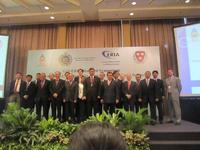
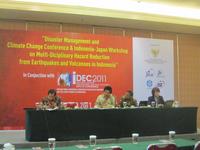
For more information on ADRC's activities during the 4th AMCDRR, please see the ADRC Highlights to be issued shortly.
(2010/10/25 16:50)
5 October 2010 (Washington DC, USA)
ADRC attended the Global Dialogue on Post-Disaster Recovery and Reconstruction Planning, which was organized by the United Nations, the European Commission, and the World Bank in Washington DC. National governments, regional organizations, UN agencies, and other stakeholders participated in the dialogue. The use of PDNA(Post Disaster Needs Assessment) as a tool for reconstruction and sustainable development of disaster affected countries was mainly discussed. The presentations of PDNA experiences from 4 disaster affected countries highlighted the usefulness of PDNA as a tool. After the presentations, three subgroups discussed and reflected on PDNA as tool for (1) assessing socio-economic impacts of disaster, (2) recovery and reconstruction planning, and (3) mainstreaming resilience in longer term development strategies.
The PDNA workspace, hosted at the IRP Website, was also launched. The International Recovery Platform, with support of ADRC, presented the key features of PDNA workspace at the launching.
(2010/10/12 14:00)
28 September - 2 October (Padang, Indonesia)
Large-scale inter-plate earthquakes have occurred recurrently in Indonesia, particularly around Sumatra Island, but it has been reported by many experts that such an earthquake is likely to happen off Padang in West Sumatra within thirty years or so.
To prepare for such large-scale earthquakes, it is of urgent need to establish early-warning and transmission system, development of practical technologies for reduction of building vulnerability and community-based disaster risk management. Hence, two day workshop on 29 and 30 September was organised which coincided with one-year commemoration of the Padang Earthquake on 30 September 2009.
The National Graduate Institute for Policy Studies (GRIPS), the National Research Institute for Earthquake Science and Disaster Prevention (NIED) and the Asian Disaster Reduction Center (ADRC) from Japan, and the Metrological, Climatology and Geophysical Agency (BMKG), the Institute Technology Bandung (ITB) and Andalas University (UNAND) from Indonesia, among others, jointed the workshop.
As a result of discussion, it reached a consensus that future collaboration should focus on three substantive areas, namely early warning for earthquakes, practical technologies for reduction of building vulnerability and community-based disaster risk management. (2010/10/4 13:10)
22-23 September 2010 (Chengdu, China)
The International Symposium "5.12 Massive Wenchuan Earthquake Reconstruction & Catastrophic Disaster Control" was held in Chengdu, China on 22 and 23 September 2010. The event was jointly organized by the Provincial People's Governments of Sichuan, Shanx, and Gansu and the Chinese Academy of Governance. Mr. Onishi, Senior Administrative Manager of Asian Disaster Reduction Center (ADRC) was invited to participate.
Around 130 representatives from international organizations, national and local governments, and experts from 30 countries and organizations in America, Europe, and Asia attended the symposium. On day 1, the participants visited the reconstruction sites in Yingxiu town, Shuimo town, and Dujiangyan city to look at the progress of recovery. On day 2, presentations concerning the theme "Scientific Reconstruction and Harmonious Development" were made. The title of Mr. Onishi's presentation is "From Resilient Recovery to Sustainable Development: Development of Recovery and Rehabilitation Measures".
(2010/09/22 19:20)
15-17 September 2010(Seattle, USA)
This program was jointly organized by Peace Winds America (NPO) and the City of Seattle, and was held from 15-17 October at the Seattle Office of Emergency Management. The program aimed to promote the sharing of experiences and ideas regarding natural disasters and emergency management between local government officials in the US and Japan.
The Asian Disaster Reduction Center (ADRC), at the request of the organizers, provided help with the coordination of the participating organizations from Japan. Also, ADRC gave a presentation on "Government Coordination" in Japan and facilitated discussions throughout the program.
The participants included Japanese officials from the Ministry of Defense, Osaka Prefecture and the City of Osaka, Hyogo Prefecture and the City of Kobe, and Hiroshima Prefecture and the City of Hiroshima, as well as American representatives from the Federal Emergency Management Agency (FEMA), the City of Seattle, King County, the City of Honolulu, Microsoft, Boeing, and other organizations. The participants gave presentations on their own experiences and the outlook for the future from the viewpoint of those who are doing practical disaster management work on the ground. The Japanese participants were particularly impressed with the collaborative frameworks that have been developed in the US to enable local governments, private companies, and NGOs to work together.
This exchange program is expected to become an annual event and thus is expected to prove highly useful to both US and Japanese local governments long into the future.
(2010/09/18 13:10)
16 September 2010 (Nanjing, China)
The ADRC attended the Preparatory Meeting for the High-level Expert Group Meeting towards Developing a Roadmap to Reduce Flood Disaster Risks in Pakistan held on 16 September 2010 in Nanjing, China. The Preparatory Meeting was organized by the United Nations Economic and Social Commission for Asia and the Pacific (ESCAP).
The meeting was opened jointly with the Stakeholder Meeting on the Regional Cooperative Mechanism on Disaster Monitoring and Early Warning, Particularly Drought in the same venue, and was started with a moment of silence for the victims of the Pakistan Floods and China landslides that happed in July/August 2010. Dr.Xuan Zengpei, Director of the Information and Communications Technology and Disaster Risk Reduction Division (IDD) of ESCAP, delivered a statement of Dr. Noeleen Heyzer, Executive Secretary of ESCAP.
Following the opening session and setting the scene, Mr. Ahmed Amjad Ali, Deputy Head of Mission and Alternate Permanent Representative of Pakistan to ESCAP made presentation briefly on the current situations of flooding damage of Pakistan. He stressed that unprecedented floods affected the entire length of Pakistan, causing maximum damage in province of Khyber Pakhtunkwa (KPK), Punjab and Sindh. The number of affected people by the floods is more than 20 million and is larger than the Pakistan Earthquake 2005, the Hurricane Katrina 2005, the Indian Ocean Tsunami 2004, the Cyclone Nargis in 2008 and the earthquake in Haiti in 2010 all put together.
Each and all participants made presentations and brainstormed on how they could provide potential assistance to reduce flood disaster risk in Pakistan.
The High-level Expert Group Meeting will be held in Pakistan in early November 2010.
For more details, please visit the following web site.
http://www.unescap.org/idd/events/2010_Pakistan_Floods/
(2010/09/16 17:30)
13 August 2010 (Incheon, Republic of Korea)
Steering Committee for the fiscal year 2010 of Asian Disaster Reduction Center was held in Incheon City, Korea on August 13. Representatives of 19 member countries attended.
Mr.Tomoya Nagai, the new Director for Disaster Preparedness, Public Relations and International Cooperation, Cabinet Office of Japan, chaired the steering committee meeting. At the beginning of the meeting, he expressed sympathy to victims of recent disasters in Pakistan, China, and India and also expressed strong support to the affected governments on behalf of ADRC. The chair formally announced the Republic of Maldives as the 29th member country of ADRC, which officially joined in May 2010.
After the presentation of ADRC activities for fiscal year 2010, the member countries discussed on how to further promote ADRC activities.(2010/08/13 19:20)
30 August-1 September 2010, Tokyo, Japan
As a partner organization, ADRC participated in the ASEAN plus Three International Conference on Disaster Management in Tokyo.
ASEAN Plus Three International Conference on Disaster Management, hosted by the Ministry of Foreign Affairs of Japan in close cooperation with the Cabinet Office of Japan, United Nations International Strategy for Disaster Reduction (ISDR), Japan International Cooperation Agency (JICA) and Asian Disaster Reduction Center (ADRC), with participation of officials and academic experts from ASEAN countries Plus Three countries and observer countries such as Australia and India as well as other international organizations, was convened on 30 August-1 September 2010 in Tokyo, Japan.
The Meeting reviewed the progresses and challenges in the first half decade of the HFA 2005-2015 in the region and discussed to identify new challenges in the next half decade of the HFA with a view to contributing to the Mid-Term Review of the HFA. Participants of the Meeting shared the view that progresses have been made at both national and regional levels.
It was also pointed out that adaptation to climate change should be linked with disaster risk reduction policy in each country and facilitated through the regional cooperation in view of the disaster management.
The Meeting also acknowledged the important role of ADRC to the regional cooperation in Asia on disaster management and recognized valuable and significant activities of JICA in bilateral cooperation on disaster management through the Official Development Assistance of Japanese government.
-Note-
ASEAN Plus Three; ASEAN Member States (Brunei Darussalam, the Kingdom of Cambodia, the Republic of Indonesia, the Lao People's Democratic Republic, Malaysia, the Union of Myanmar, the Republic of the Philippines, the Republic of Singapore, the Kingdom of Thailand and the Socialist Republic of Vietnam) and People's Republic of China, Japan and Republic of Korea
11-13 August 2010 (Incheon, Republic of Korea)
The ADRC attended the ISD
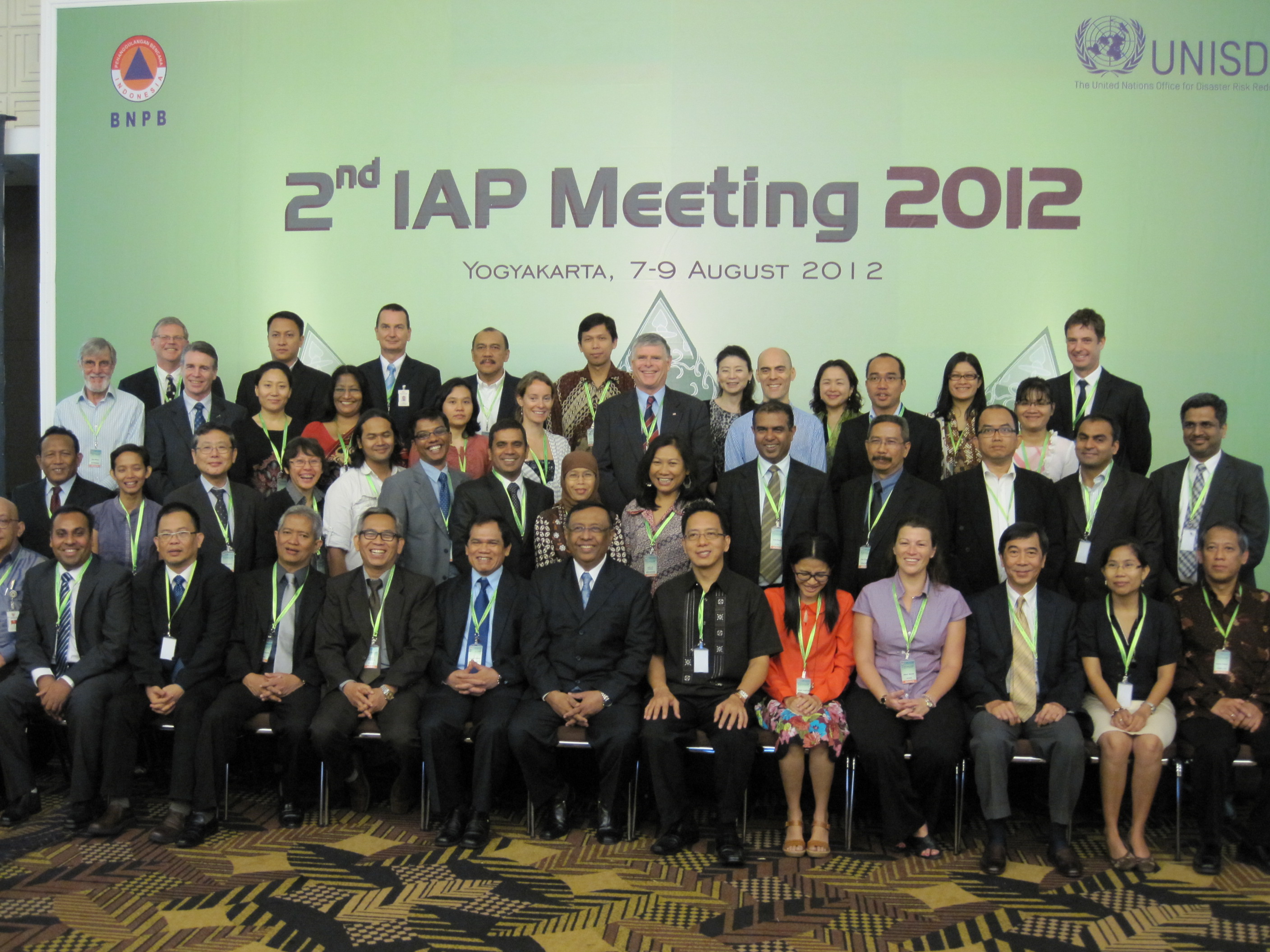
R Asia Partnership (IAP) Meeting held from 11 to 13 August 2010 in Incheon, Republic of Korea. The meeting was organized to speed up the preparations for the Fourth Asian Ministerial Conference on Disaster Risk Reduction (AMCDRR) scheduled on 25-28 October 2010 at Songdo ConvensiA in Incheon, Republic of Korea. The main themes, procedures, and expected outcomes of 4th AMCDRR were among the key items discussed and examined at the meeting.
The ADRC has been actively involved in drafting outcome documents, and will be chairing Technical Session 1 "Raising awareness and building capacity for disaster risk reduction (DRR) and climate change adaptation (CCA)" at the 4th AMCDRR. In addition, the ADRC has been also co-organizing few side events such as "Incorporation of space-based information to support DRR and CCA" and "Introduction to Recovery Guidance Notes on CCA" with UNOOSA and International Recovery Platform (IRP) respectively.
Following the discussions at the preparatory meeting, the ADRC will further strengthen the preparations for Technical Session 1 and side events.
(2010/08/11 16:50)
1-2 July 2010, Bangkok, Thailand
The Technical Workshop to develop the Regional Roadmap for Promoting Regional Cooperation on Disaster Risk Reduction and Climate Change Adaptation was held in Bangkok, Thailand on 1-2 July to discuss and develop the regional roadmap for promoting regional cooperation on disaster risk reduction and climate change adaptation in Asia. The Workshop was organised jointly by UNSIDR, UNESCAP, NEMA of Korea and ADRC. This regional roadmap is planned to be one of the main outocomes of the 4th Asian Ministerial Conference on Disaster Risk Reduction (AMCDRR) to be held in Incheon, Korea, in October this year.
As many as around 50 experts from UN and other international organisations, Government Ministries/Agencies, and INGOs participated in the Workshop. From the ADRC, Mr. Atsushi KORESAWA and Mr. Huy Nguyen participated in the workshop. Also, ADRC facilitated the participation of experts from JICA, the Meteorological Research Institute of Japan's Meteorological Agency, and JAXA.
The experts discussed, inter alia: 1) the conceptual framework for promoting regional cooperation for disaster risk reduction and climate change adaptation in Asia: 2) the objectives of the regional road map, and: 3) the elements of the regional road map. Based on the result of two day discussion, UNISDR in cooperation with other partners will make a first draft of the roadmap which will be further examined at the upcoming IAP meeting in Incheon, Korea on 11-13 August.
The ADRC is expected to play a key role as one of lead agencies at the 4th AMCDRR, and therefore, will continue to take an active part in its preparatory process.
(2010/07/05 13:10)
20 May 2010 (Makati City, Philippines)
Atsushi KORESAWA of ADRC attended the ASEAN Agreement on Disaster Management and Emergency Response (AADMER) Partnership Conference held on 20 May 2010 in Makati City, the Philippines.
The ASEAN Committee on Disaster management (ACDM) adopted the AADMER Work Programme at its 15th Meeting in March in Singapore. The AADMER Work Programme is expected to contribute to the resiliency of peoples belonging to the ASEAN community of ten nations. It also contributes to the achievement of the global priorities stipulated in the Hyogo Framework for Action (HFA).
At the Conference, the ACDM members explained the ADDMER Work Programme in some details with the intention of gathering support from partners for the implementation of the AADMER Work Programme, particularly Phase 1 (2010-2012) flagship projects. The ADRC was invited as one of those partners.
ADRC has already engaged in the implementation of similar activities both within and outside ASEAN countries and accumulated relevant experiences and expertise. Therefore, the ADRC would be pleased to be involved in some of the ASEAN flagship projects presented in coming years.
( 2010/05/31 13:10)
17-18 May, Vientiane, Lao PDR
The ADRC attended the 21st meeting of sub-committee on space technology and applications (SCOSA) held from 17th to 18th May 2010 in Vientiane, Lao PDR.
Various organizations in ASEAN countries which are related to the space technology attended this meeting in order to discuss on-going and future projects by SCOSA and other relevant. .
For the last two year the ADRC has been implementing " Satellite Data Utilization for Disaster Risk Reduction and Response" funded by Japan-ASEAN Integration Fund (JAIF). Eight ASEAN countries, namely, Indonesia, Philippines, Lao PDR, Myanmar, Thailand, Vietnam, Cambodia and Brunei Darussalam are the target countries of the project.
In this meeting, ADRC made a progress report on the project.
ADRC is currency producing materials to be used at planned seminars and trainings in each ASEAN country which will be implemented from July this year.
For more details of this project, please look at the following site ; http://www.geoinfo.ait.ac.th/adrc/index.htm
(2010/05/26 13:20)
5-6 May, Singapore
The roundtable on Asian Regionalism was organized by the Asia Pacific Economic Cooperation (APEC) forum, Centre on Asia and Globalization (CAG) at the Lee Kuan Yew School of Public Policy and the Center for Strategic and International Studies (CSIS) on 5-6 may at the LKY School in Singapore. Many experts in the fields of energy security, climate change and natural disaster response attended the roundtable from across Asia.
The Asian Disaster Reduction Center had been involved in the preparatory process to some extent, but the organizers invited Mr. Atsushi KORESAWA of the ADRC as one of the discussants in the session "Response to Natural Disasters." He presented why ADRC was established and how ADRC has been conducting its activities as one example of many regional/sub-regional organizations in Asia, especially focusing on its comparative advantages. The head of SAARC Disaster Management Centre in New Delhi and the executive director of the Pacific Disaster Center in Hawaii also participated in the session as discussants.
CSIS will produce a report by reflecting discussions at this forum. It has become certain hat disaster management has been gaining its importance in the context of the non-traditional security areas. However, it has been recognized that there are many disaster management related activities conducted by many different organizations which have some similarities or commonalities and thus some rationalization is required to make them more effective and useful.
ADRC will continue to conduct its activities in good collaboration with other organizations and focus on areas which ADRC has comparative advantages.
Note)
CAG: Centre on Asia and Globalisation, Lee Kuan Yew School of Public Policy, National University of Singapore
CSIS: Center for Strategic and International Studies, Washington
(2010/05/12 13:10)
27 April 2010 Almaty, Kazakhstan
Central Asia is a region vulnerable to multiple natural disasters including devastating earthquakes, floods, landslides/mud-slides, avalanches that have caused economic and human losses across the region. The Central Asia nations of Kazakhstan, Kyrgyzstan, Tajikistan, and Uzbekistan agreed on the need for stronger regional cooperation on issues of disaster risk management and agreed to start a dialogue on the regional centre for disaster preparedness and response. Eventually, a working group was formed to start consultation on the establishment of a regional disaster preparedness and response coordination centre.
Against this background, the Third Consultative Meeting on the Establishment of a Regional Disaster Preparedness and Response Coordination Centre was organised, jointly by Ministry of Emergency Situations of the Republic of Kazakhstan and UN Office for the Coordination of Humanitarian Affairs Sub-regional Office for Central Asia, on 27th April in Almaty, Kazakhstan. Asian Disaster Reduction Center (ADRC) has been supportive of this initiative since January 2005 when the establishment of a centre was first proposed at the UN World Conference on Disaster Reduction held in Kobe, Japan. ADRC attended the third meeting along with the governments of Kazakhstan, Kyrgyz Republic and Tajikistan, various UN bodies (UNDP, UNISDR, UNHCR), GTZ and IFRC.
During discussion, the participants discussed some specific issues relevant to the draft agreement and regulation but agreed upon a urgent need to establish the centre. Consequently, they have agreed to set up a working-level standing committee sometime this year to solve particular problems.
ADRC plans to provide relevant information based on its own experience as an organisation to promote multinational cooperation for disaster reduction across countries in Asia and explore ways to cooperate with the Centre once in such fields as training and human resource development.
(2010/05/10 13:10)
As a partner organization, ADRC participated in the 15th Meeting of ACDM and 4th ACDM+3 Senior Officials Meeting (SOM) in Singapore.
One of the highlights of ACDM meeting, 11 March 2010, was the turnover of chairmanship from Myanmar to the Philippines. Under the new chair, ACDM aims to achieve two major objectives for 2010: (i) the implementation of AADMER Work Programme for 2010-2015 and (ii) the establishment and operationalization of AHA Centre.
During ACDM+3SOM, 12 March 2010, representatives from Government of Japan re-announced its assistance to ASEAN's efforts in Disaster Reduction under the Japan-ASEAN Integration Fund (JAIF) which focus on (i) enhancing ASEAN's capacity for emergency response to large-scale disaster based on the AADMER, (ii) supporting the improvement of the disaster prevention ability of AHA Centre and construction of the disaster information and communication system that allows the utilization of satellite, and (iii) implementing the following four (4) projects through the activities of ADRC:
• Promotion of Disaster Education in Schools
• Capacity Building of Local Government Officials on Disaster Management
• Utilization of Satellite Image on Disaster Management, and
• Development of Web-based GLIDE Associated Disaster Event Databases for ASEAN Countries.
In the ACMD+SOM, ADRC made a presentation on the progress of above four (4) on-going ASEAN Cooperation Projects implemented by ADRC and expressed continuous support for the iplementation of the cited JAIF projects.
(2010/03/23 17:30)
8 March 2010 (Bangkok, Thailand)
The new web system that been produced as part of Sentinel Asia Step 2 for the last two years will start its operation from April 2010.
The Sentinel Asia Secretariat, ADRC and other relevant agencies held a meeting at Geo-informatics and Space Technology Development Agency, GISTDA, in Bangkok, Thailand, to share information on the new web system.
The new web site is located at;
https://sentinel.tksc.jaxa.jp
(2010/03/30 13:20)
8-19 February 2010 (
The Forty-Seventh Session of the Scientific and Technical Subcommittee of the Committee on the Peaceful Uses of Outer Space (UN-COPUOS)was held from 8 to 19 February 2010 at the United Nations Office in
ADRC took part in both events. At the technical subcommittee of COPUOS, ADRC introduced its major activities and accomplishments. Two key activities were highlighted. Firstly, ADRC serves as focal point for Sentinel Asia in facilitating, emergency observations in the event of disasters. Secondly, ADRC implements capacity building activities on the use of satellites data among its member countries. At the UN-SPIDER RSO Meeting, ADRC presented its activities and accomplishments as RSO as well as its future plans. The RSO meeting provided an opportunity to discuss frankly, exchange of opinions, and explore measures of enhancing future activities of ADRC in line with the objectives of UN-SPIDER.
42nd ESCAP/WMO Typhoon Committee
25-29 January 2010 (Singapore)
ADRC participated in the 42nd Session of ESCAP/WMO Typhoon Committee that was held from 25th to 29th January in Singapore. The Committee consists of three working groups, namely, WG on Meteorology (WGM), WG on Hydrology (WGH), and WG on Disaster Prevention and Preparedness (WGDPP), among which. ADRC has been a member of WGDPP.
The Committee as well as its WGs addressed issues related to the impact of climate change on tropical cyclone frequency and intensity, growing risks of urban flooding, among others. For more details, please refer to: http://www.typhooncommittee.org/tc.htm.
16th Asia-Pacific Regional Space Agency Forum
26-29 January 2010 (Bangkok, Thailand)
ADRC also participated in the 16th Session of the Asia-Pacific Regional Space Agency Forum that was held from 26 to 29th January in Bangkok, Thailand. ADRC has been tasked as a focal point to receive an emergency observation request from ADRC member countries and JPT (Joint Project Team) members and, if appropriate, forward it to four space agencies, namely, .ISRO, GISTDA, KARI and JAXA. In addition, ADRC in cooperation with JPT Secretariat conducts follow-up surveys on the use of provided satellite images in individual countries as well as capacity building to enhance the use of satellite data for disaster management objectives.
ADRC made a presentation on the situation and trends of natural disasters worldwide, progresses made in implementing the Hyogo Framework for Action 2005-2015 - a global blueprint for disaster risk reduction efforts -, and the application of space technologies to disaster management with Sentinel Asia and UNSPIDER as an example. It is followed by emergency observations reports by Vietnam and the Philippines. For more details, please refer to http://www.aprsaf.org/text/ap16_info.html.
(2010/02/01 13:10)
13-14 December (Dhaka, Bangladesh)
ADRC actively participated in the International Forum on Tornado Disaster Risk Reduction held on 13-14 December 2009 in Dhaka, Bangladesh. This event was organized jointly by the Ministry of Food and Disaster Management and the Ministry of Defense of Bangladesh, Tokyo Polytechnic University, the Bangladesh Disaster Preparedness Center (BDPC), and the International Association of Wind Engineering.
Bangladesh is known as a country prone to various natural hazards, including cyclones, floods, and storm surges. Tornados occur almost every year, often resulting in extensive casualties and damage. Recently, for example, the 1996 tornado in Tangail killed about 700 people. Despite such devastating consequences, adequate tornado preparedness measures are still lacking, with efforts still needed in the areas of early warning systems and evacuation shelters. This forum was therefore held to raise awareness among policymakers, practitioners, and civil society of the risks posed by tornadoes and other severe local storms, as well as to promote the development of strategies for mitigating future disaster risks.
During the forum, ADRC gave two presentations, on "Governance and Policy Making" and "Public Awareness and Education." ADRC presented a wide range of issues concerning the progress made toward the HFA, as well as the remaining challenges, and highlighted the roles that awareness-raising efforts and education should play in Bangladesh. The presentations also summarized the ADRC's relevant activities in Bangladesh in the past. For more details, please visit the website(http://www.iawe.org/WRDRR_Bangladesh/).
(2009/12/14 13:10)
3-5 November 2009 (Yogyakarta, Indonesia)
The International Recovery Platform (IRP), the Asian Disaster Reduction Center (ADRC), and the Department of Architecture and Planning of Gadjah Mada University (DAP/UGM) organized the IRP Regional Workshop "Action by Stakeholders for Effective Management of Post-Disaster Recovery" from 3-5 November 2009 at Gadjah Mada University in Yogyakarta, Indonesia.
The following is the highlights of the Workshop.
(2009/11/5 14:20)
28-30 October 2009 (Beijing, China)
The International Conference on the Social Mobilization for Catastrophic Disasters and the Formulation of Emergency Laws and Regulations was organized by the Ministry of Civil Affairs of China, was held on 28-30 October 2009 in Beijing, China. Mr. Fujieda, senior researcher of the ADRC was invited to participate in the conference.
Around 130 representatives from international organizations, ASEAN member countries, UK, USA, Canada, Australia, New Zealand, as well as Chinese government, regional institutions, NGOs, participated in the Conference.
The participants from different countries made presentations on the role of the government in the catastrophe emergency response, developments in the laws and regulations on disaster management and disaster-relief activities from their own perspectives. On the other hand, the participants from China including government, NGOs and other institutions, made presentations on roles of volunteers, communities and enterprises in relief activities in the case of Whenchuan Earthquake.
Mr. Fujieda made presentation on disaster management laws and systems and disaster emergency response system in Japan in the session titled "the Role of Government in Social Mobilization on Catastrophic Disasters and Laws and Regulation Development".
(2009/10/28 17:30)
27-28 October 2009 (
ngapore
Around 100 delegates from Asian countries, including government officials and security managers at the private sector, participated in the work shop.
The ADRC participated in the 4th ECO (Economic Cooperation Organization) International Conference on Disaster Risk Management which was held on 7-8 October 2009 in Dushanbe, Tajikistan.
ECO is an intergovernmental regional organization established in 1985 by Iran, Pakistan, and Turkey for the purpose of promoting economic, technical, and cultural cooperation among the members. The ECO was expanded to include Afghanistan, Azerbaijan, Kazakhstan, Kyrgyz, Tajikistan, Turkmenistan and Uzbekistan in 1992, and have accelerated the pace of regional development through their common endeavors.
The Conference was attended by the participants from Afghanistan, Iran, Uzbekistan, Kazakhstan, Kyrgyz, and Tajikistan, as well as the related organizations. They shared their recent initiatives for the disaster risk management, especially in the areas of establishment of the national platforms and climate change adaptation, and discussed further strengthening the cooperation for DRR in the ECO region. Further, they proposed the ECO regional strategy for promoting DRR activities through discussion.
The ADRC made a presentation in the session of regional cooperation and coordination, and expressed continuous support for regional cooperation in the Central Asia and Caucasus.
5th-8th Oct 2009 (Dhaka, Bangladesh )
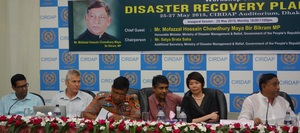
The fourth Workshop on Earthquake Risk Reduction and Recovery Preparedness Programme (ERRP) will be held in Dhaka, Bangladesh from 10th to 12th December. Through the workshop the relevant countries will present their outcomes on ERRP while experts will make presentations or give lectures on topics like retrofitting, risk assessment, hazard mapping, area disaster prevention plan, and contingency plan. On 5th to 8th October, ADRC sent its staff to Bangladesh to consult with Ministry of Food and Disaster Management and UNDP Bangladesh on the holding of the Workshop and exchange views concerning participation of Japanese experts and other issues. Detailed programme will be announced through ADRC Website once it is set.
(2009/10/19 14:00)
11-14 August 2009 (Incheon, Republic of Korea)
ADRC participated in this year's second meeting of the ISDR Asia Partnership (IAP) held in Incheon Metropolitan City, the Republic of Korea on 13-14 August 2009. The meeting discussed the follow-up action to the Second Session of the Global Platform on Disaster Risk Reduction (DRR), which was held 16-19 June 2009, the finalisation of the Kuala Lumpur Action Plan on DRR, and preparations for the Fourth Asian Ministerial Conference on Disaster Risk Reduction (AMCDRR), which will be held in Incheon Metropolitan City on 25-28 October 2010.
Dr. Yeon-Soo Park, Vice Administrator, the National Emergency Management Agency, the Republic of Korea, put forward his comprehensive proposal for the fourth AMCDRR in a very positive manner. He also detailed preparatory steps to be taken by various partners, i.e. member state governments, international organisations and other institutions.
Furthermore, participating organisations shared information on their recent attempts to follow up on the HFA midterm review, Kuala Lumpur Action Plan, etc. ADRC Executive Director Mr. Atsushi KORESAWA presented some of the ADRC's ongoing and future activities by putting a stress on the Asian Conference on Disaster Reduction 2010 (ACDR 2010) to be held in Kobe city, Hyogo Prefecture, Japan from 17-19 January 2010, back to back with other relevant meetings such as the IRP Recovery Forum. He also informed the participants that details of such events would be provided in due course on the website of ADRC.
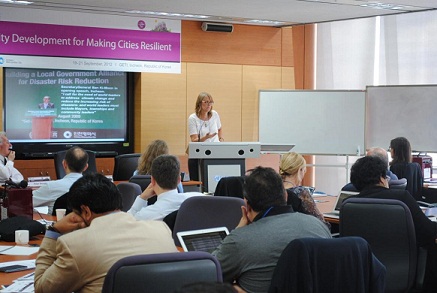
In addition, ADRC had a chance to participate in the opening ceremony of the UNISDR Education and Training Institute for Urban Risk reduction and the UNISDR Northeast Asia Office, which was held on 11 August and the conference on "Building a Local governance Alliance for Disaster Risk Reduction" jointly hosted by UNSIDR and Incheon Metropolitan City.
(2009/08/25 17:40)
2009/08/17-18 (Bangkok, Thailand)
ADRC organized a regional workshop as part of the "ASEAN Cooperation Project on Capacity Building for Local Government Officials on Disaster Management" in Bangkok, Thailand on 17-18 August 2009 with precious support from Department of Disaster Prevention and Mitigation (DDPM) of the Thai Government.
ADRC has been implementing the JAPAN-ASEAN Integration Fund (JAIF) Project "the Capacity Building for Local Government Officials on Disaster Management" since August 2008. In implementing this project, ASEAN member countries have been divided into the following three groups:
•First Year Group (August 2008 - March 2010): Cambodia,
Lao PDR and Vietnam;
•Second Year Group (May 2009 - December 2010): Brunei
Darussalam, Malaysia, Philippines, and Thailand; and
•Third Year Group (February 2010 - September 2011): Indonesia,
Myanmar and Singapore.
The workshop in Bangkok was attended by countries of all three groups so as to achieve the following objectives:
(1) To better understand the concept and direction of
this project in ASEAN;
(2) To facilitate information sharing on the implementation of
the project; and
(3) To help improve the conduct of the project by learning from
the countries that has undertaken the project.
In the Introductory Session, ASEAN Secretariat and ADRC made presentations on the JAIF Project and the progress in this project made to date respectively. In the subsequent sessions, the representatives of each group presented the progress in this project made so far and relevant issues followed by lively discussion and exchange of ideas among participants.
(2009/08/17 17:30)
The International Recovery Platform (IRP), UNDP-India, ADRC, NDMA-India, and SDMC jointly organized the Regional Conference on Earthquake Risk Reduction held at India International Centre, New Delhi, India on July 29-31, 2009. Over 200 participants, including representatives from Earthquake Risk Reduction and Recovery Preparedness Programme (ERRP) country teams, technical experts, practitioners, and relevant stakeholders, gathered during the three-day to discuss experiences, share knowledge, and facilitate technical cooperation.
[more]
15-17 July 2009 (Bali, Indonesia)
Sentinel Asia Project was established to build a disaster management system by using a satellite image in Asia region. The international conference, Joint Project Meeting for Sentinel Asia, has been held to share the latest activities every year. In this year, this conference was held in Bali, Indonesia and attended by 117 participants from 43 organizations including ADRC.
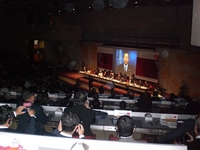
The objectives of the JPTM2009 were to introduce the progress concerning utilization of satellite and make discussion implementation of a new program for Sentinel Asia.
ADRC reported the several activities about the Emergency Observation Request in this year and the installation of the regional support office of UNSPIDER. In addition, ADRC proposed the Glacial Lake Outburst Flood Working as a new project with Keio University and ICIMOD, International Centre for Integrated Mountain Development.
(2009/07/27 18:30)
ADRC participated in the Second Session of the Global Platform for Disaster Reduction which was held in Gevena, Switzerland on 15-19 June 2009. The Session with participants from approximately 300 regional/national organizations and governments concluded urging political leaders to implement measures to halve the number of deaths from natural hazard by 2015.
ADRC organized/co-organized several pre-session and special events in the Session with the partner organizations including pre-session event on Central Asia cooperation, and special events on the UN-SPIDER programme, launch of wind disaster related group, and indigenous knowledge for disaster risk reduction. Besides, taking this opportunity, ADRC made informal discussion with the participants from the related organizations for further cooperation and collaboration.
ADRC also showcased the recent major projects, services and networks that support the implementation of the Hyogo Framework for Action (HFA) in the Market Place of the Session.
More detailed information of the 2nd Session of the Global Platform can be found in the following website.
http://www.preventionweb.net/globalplatform/2009/
28-29 May 2009 (Chengdu, China)
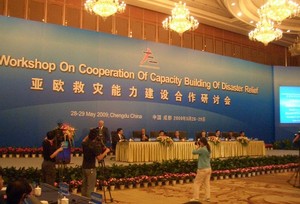
ASEM (Asia-Europe Meeting) Workshop on Cooperation of Capacity Building of Disaster Relief, organized by the Ministry of Civil Affairs and the Ministry of Foreign Affairs of China, was held on 28-29 May in Chengdu, China.
In the opening ceremony speech, Mr. Li Xueju, Minister of Civil Affairs of China noted that Europe and Asia should reinforce the exchanges of knowledge and experience and cooperation in disaster reduction and relief. Asian countries have rich experience in disaster relief, while the European countries possess advanced technology and management concepts. Both sides should overcome their own shortcomings by learning from each other's strong points.
Total of 160 representatives from 32 member countries of the Asia-Europe Meeting and international organizations are present at the workshop.
The workshop focused on four core thematic areas: (1) disaster preparedness and emergency relief; (2) rehabilitation and reconstruction; (3) public-private partnership in disaster relief; and (4) disaster reduction and risk management. ADRC made a presentation entitled "Build Back Better" to introduce the activities of its own and IRP(International Recovery Platform).
Participants also visited the earthquake-affected areas in Dujianyan, Sichuan Province.
(2009/06/05 19:20)
In support to ASEAN's implementation of the Agreement on Disaster Management and Emergency Response (AADMER), ADRC participated in the visioning workshop to help identify areas for further cooperation and support. AADMER is a comprehensive document, signed by all ASEAN Member States in July 2005, capturing not only ASEAN's intention to respond jointly and more effectively but also to reduce disaster risks in the region. It provides the overall framework for regional cooperation on disaster management in ASEAN, which embodies the region's commitment to the implementation of the Hyogo Framework for Action (HFA).
During the visioning workshop, ADRC introduced three potential projects in the context of implementing the AADMER. The first project is to conduct the feasibility study for the operationalization of the ASEAN Coordinating Centre for Humanitarian Assistance on disaster management (AHA Centre), which shall function as the operational arm of AADMER. The second project is to establish the ASEAN Disaster Management Communications Networking System (ADMCNS), which is aimed at strengthening the disaster management capacities of ASEAN Member States (AMSs) through the enhancement of communications network system that utilizes near real-time data from space satellites. The third project is to conduct a separate feasibility study for the ASEAN stockpiling, which will put up emergency stockpiles of disaster relief items.
Regional Workshop of Earthquake Risk Reduction and Recovery Preparedness Program (ERRP) for South Asia Region was conducted in Islamabad, Pakistan.
For more details, please refer to the below report.
Mission Report
The ADRC participated in the 4th meeting of the Working-Group on Disaster Prevention and Preparedness which was jointly organized by United Nations Economic and Social Commission for Asia and the Pacific (UNESCAP), the World Meteorological Organization (WMO) Typhoon Committee Secretariat, and the National Emergency Management Agency of the Republic of Korea in Seoul on 8-29 April 2009.
The 22 participants who attended the meeting included representatives from China, Japan, Lao People's Democratic Republic, Malaysia, Philippines, Republic of Korea, Thailand, USA, Viet Nam, Hong Kong and Macao Special Administrative Regions, as well as representatives from the three organizing institutions.
During the meeting, participants discussed future activities of the working group, such as upgrade of the Typhoon Committee Disaster Information System (TCDIS), which is expected to be a useful typhoon- related disaster database for Asia. The ADRC gave a presentation on the role of GLIDE numbers, which are to be assigned to disasters contained in the individual databases of different organizations, and on the ADRC's contributions to the working group this year. The next meeting scheduled is the Integrated Workshop of the Typhoon Committee, to be held in the third week of September in the Philippines.
The Typhoon Committee has two other working groups on meteorology and hydrology, in addition to the working group on disaster prevention and preparedness.
(2009/05/13 12:20)
Kick-off meeting for Multi-disciplinary Hazard Reduction from Earthquakes and Volcanoes in Indonesia
2009/4/19 (Bandung, Indonesia)
The kick-off meeting for Multi-disciplinary Hazard Reduction from Earthquakes and Volcanoes in Indonesia funded by JICA (Japan International Cooperation Agency) and JST (Japan Science and Technology Agency) was held on 21st April in Bandung Institute of Technology (ITB) and University of Tokyo. This project was approved by JICA-JST as one of the Science and Technology Research Partnership for Sustainable Development projects (http://www.jst.go.jp/global/index.html) for natural disaster prevention. The kick-off meeting was simultaneously held in ITB and University of Tokyo with the across-the-board support by the SOI (School on Internet) Asia (http://www.soi.asia/about/index.html) that is advanced internet infrastructure for information and communication technology.
In the kick-off meeting, after the opening remarks from Dr. Harjono, (Deputy to the Chair of LIPI for Earth Science, LIPI = Indonesian Institute of Science) and Prof. Satake (University of Tokyo), each group leader organized the session and discussed the project goal and implementation modality.
In the session for Group 6, Mr. Suzuki (Executive Director of Asian Disaster Reduction Center) and Dr. Pariatmono (Assistant for Deputy Minister for Development of Mathematics and Natural Science, Ministry of Research and Technology, RISTEK) facilitated the discussion on the project goals and all group leaders introduced their experiences and lessons learned on the government-academia collaboration on disaster risk reduction.
(2009/04/21 13:10)
15-16 April 2009 (Almaty, Kazakhstan)
ADRC participated in the 2nd Consultative Meeting on Establishment of Regional Disaster Preparedness and Response Coordination Centre in Central Asia which was organized by Kazakhstan government and UN OCHA in Almaty Kazakhstan on 15-16 April 2009.
In the meeting, the participants including representatives from Republic of Kazakhstan, Kyrgyz Republic, and Republic of Tajikistan discussed specific conditions and definition towards establishing of the Coordination Centre which has been agreed through several meetings on mutual cooperation for disaster risk reduction in the Central Asia.
The delegates from the Central Asian countries were actively involved in the discussion. The documents for establishment of the Centre were gone through one article by one article for reaching consensus. Further, through the discussion, the Centre's name has been changed as "the Central Asia Coordination Centre on Disaster Response and Risk Reduction" in consideration of the aspect that the Centre would also play important role for disaster risk reduction in the area.
(2009/04/20 10:40)
3-5 November 2008 (Kathmandu, Nepal)
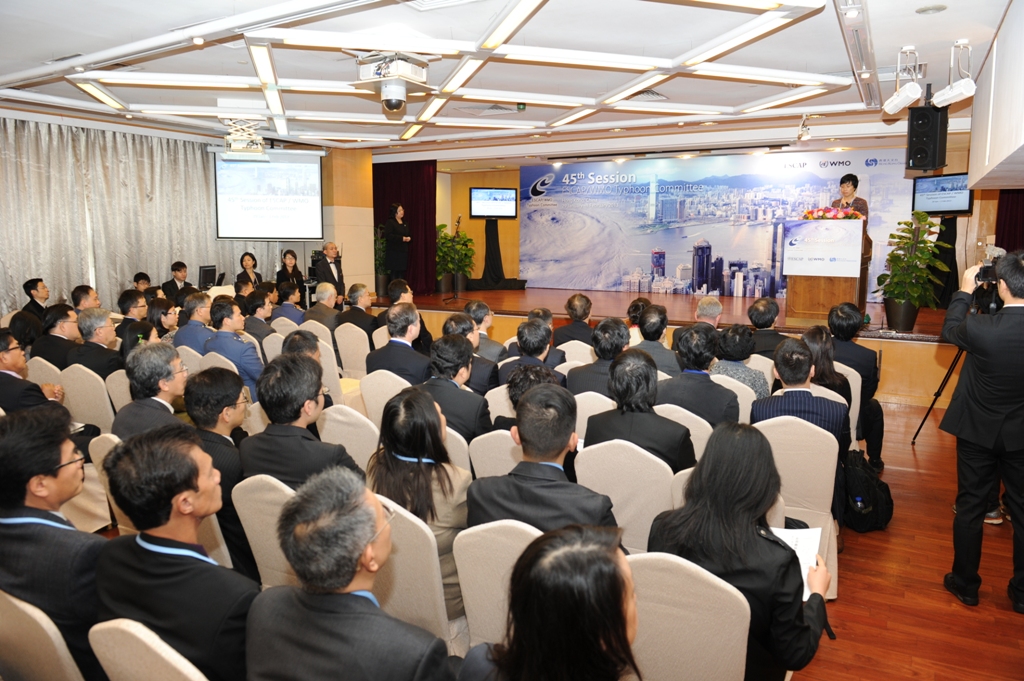
The annual meeting of the Asian Disaster Reduction and Response Network (ADRRN) 2008 was held in Kathmandu, Nepal on 3-5 November 2008. In the meeting, titled Learning through and from the Network, approximately 40 participants from NGOs and international organizations as well as the ADRC had active discussions in order to further reinforce the activities of their organizations and ADRRN toward DRR.
(2008/11/03 17:40)